Roofing Contractor: Trusted Roof Installation
Key Tips for Roof Repair: How to Increase the Durability of Your Roof Before Replacement
Regular roof maintenance, though frequently neglected, serves a vital function in prolonging a roof's longevity. Consistent examinations can identify obscured defects that, without attention, may bring about substantial repair costs or accelerated replacement. Homeowners can benefit from understanding common roof problems and knowing when to seek professional help. By implementing effective seasonal care techniques and investing in quality materials, one can guarantee their roof remains in peak condition. What procedures can be followed to extend their roof's service life?
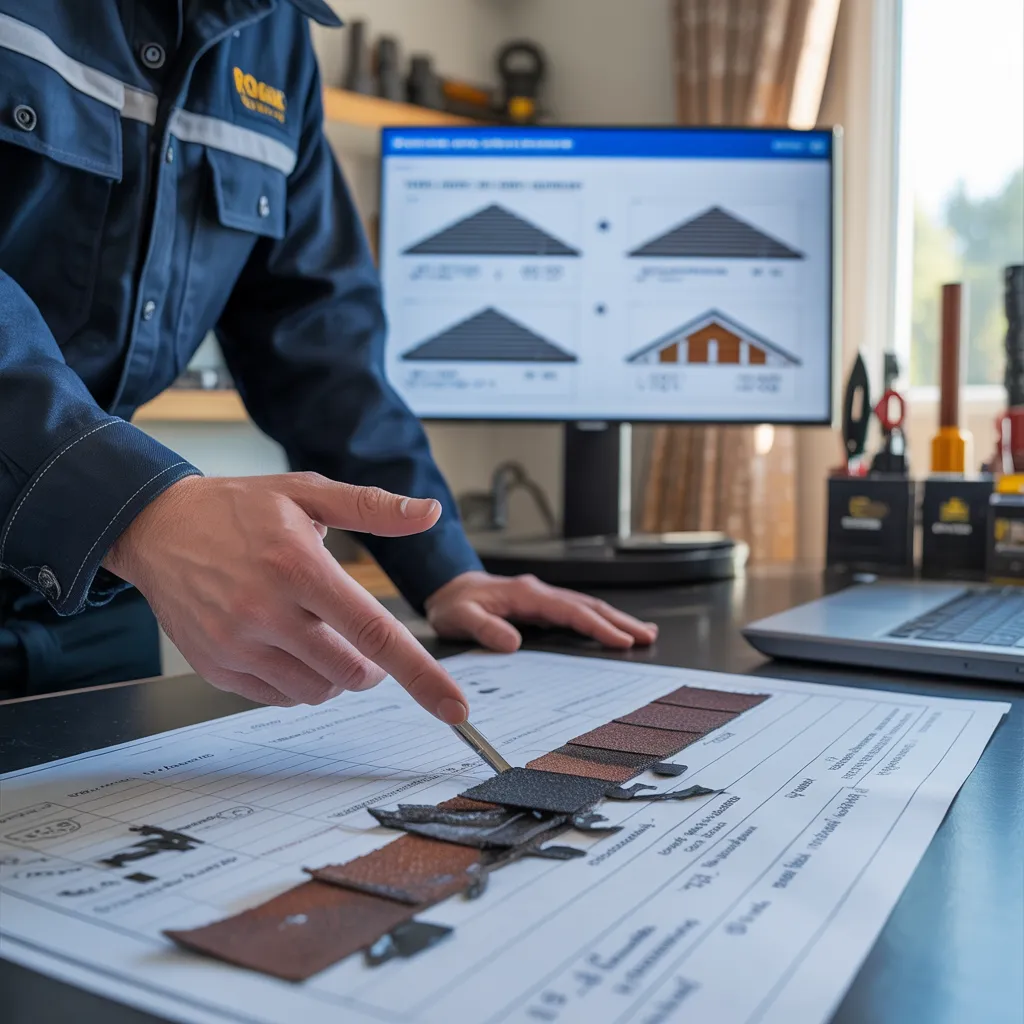
The Importance of Roof Maintenance
Routine roof maintenance is crucial for homeowners to guarantee the longevity and integrity of their roofs. Adequate upkeep not only improves the aesthetic appeal of a property but also protects against potential hazards. Overlooking routine inspections can cause unnoticed damage, leading to more extensive and costly repairs down the line.
Periodic seasonal evaluations, involving debris clearance and flashing assessments, fulfill an essential role in stopping water intrusion and other issues. In addition, regular maintenance increases the roof's lifespan, making certain that homeowners maximize their investment. It also aids in preserving energy efficiency by guaranteeing that insulation and ventilation systems work effectively.
Eventually, a dedication to roof maintenance fosters peace of mind, knowing that the home is secured from the elements. By giving priority to these regular practices, homeowners can enjoy a protected and reliable roofing system that endures the test of time.
Recognize Typical Roof Repair Concerns
Property owners ought to understand the typical roof repair concerns that can occur despite regular maintenance. One frequent issue is missing or damaged shingles, which can cause leaks and water damage. Another issue is the buildup of debris, such as leaves and branches, which can clog drainage systems and result in water pooling. Moreover, roof flashing, the material that seals joints and seams, can degrade over time, resulting in potential leaks.
Moreover, homeowners should check for granule loss on asphalt shingles, as this can indicate aging and decreased effectiveness. Gutter concerns are also common; clogs can lead to overflow and damage to the roof's edge. Additionally, insufficient ventilation may create heat and moisture buildup, causing premature deterioration. Identifying these issues early can facilitate timely repairs and extend the roof's lifespan.
Red Flags You Should Call a Professional Roofer for Your Roofing Repairs?
Recognizing when to seek professional help for roof repairs is crucial for maintaining a home's integrity. Clear water damage, missing or damaged shingles, and a sagging roof structure are important indicators that professional intervention is needed. Handling these signs promptly can prevent more extensive damage and costly repairs down the line.
Clear Water Damage
Observable water damage frequently acts as an important sign that expert roof repairs are required. Property owners need to watch for indicators like discoloration, staining, or sagging in walls and ceilings, which could indicate roof leaks. Furthermore, peeling paint or water spots can also indicate hidden problems requiring prompt attention. Mold and mildew development, commonly located in damp spaces, can likewise suggest problems related to the roof. Responding to these warning signs immediately can help prevent more significant damage and pricey repairs in the future. Property owners should seek advice from a roofing professional when water damage is found, as they can accurately diagnose the problem and recommend proper solutions to restore the roof's soundness.
Absent or Damaged Shingles
Evidence of roof damage can reach beyond what's visibly apparent from water, with missing or damaged shingles often being a clear indication that professional repairs are needed. Shingles function as the first line of defense against the elements, and their deterioration can cause more severe problems. Homeowners should consistently evaluate their roofs for any signs of wear, such as curling, cracking, or discoloration. Furthermore, missing shingles expose the underlying materials to moisture, increasing the risk of leaks and structural damage. If the damage is extensive, a professional roofing contractor can examine the situation and recommend proper repairs or replacements. Handling missing or damaged shingles promptly can considerably extend the lifespan of a roof and prevent costly future repairs.
Drooping Roof Framework
When a roof begins to sag, it typically signals the need for urgent professional assessment. This problem could signal damaged rafters, deteriorated trusses, or too much weight from built-up debris or snow. Homeowners should be vigilant for additional signs, such as cracks in the walls, water stains on ceilings, or doors and windows that stick. Dismissing these indicators could cause serious structural compromise and high-cost repairs. Seeking advice from a certified roofing expert is vital to examine the damage level and establish the right approach. Swift response may help rebuild the roof's stability, increase its longevity, and protect the residents' well-being. Forward-thinking strategies can avert major difficulties ahead.
When to Address DIY Roof Repairs
Determining when to handle DIY roof repairs demands detailed assessment of damage severity and personal safety. Homeowners should examine whether they own the necessary tools and materials for the task at hand. Understanding these factors can aid in making an informed decision about addressing repairs independently.
Analyzing Damage Extent
How can homeowners effectively gauge the severity of roof damage before deciding on a DIY repair? Start by checking the roof from the ground with binoculars to locate visible damage such as lost shingles, sagging regions, or water staining. Checking for leaks in the attic or ceiling is crucial, since they may signal more serious issues. Property owners must also factor in the roof's age; aging roofs might need expert evaluation even when damage appears minor. When damage is confined to a small area, like several missing shingles, a do-it-yourself fix might be adequate. However, extensive damage or structural concerns, like rotting or mold, warrant professional intervention to guarantee safety and proper resolution.
Safety Takes Priority
Before trying any DIY roof repairs, homeowners should prioritize safety to prevent potential accidents or injuries. Assessing one's own physical capabilities is vital; individuals should be comfortable with heights and have a basic understanding of roofing structures. Moreover, weather conditions should be evaluated—strong winds or rain can create hazardous situations. It is advisable to work with a partner, as having someone nearby can give assistance or call for help if needed. Proper footwear with good traction is essential, as is the use of safety harnesses when working on steep slopes. Homeowners should also ensure that ladders are stable and positioned correctly, reducing the risk of falls. By taking these precautions, the likelihood of accidents can be noticeably reduced.
Essential Tools and Materials
Once safety measures are in place, homeowners can now turn their attention to assembling the appropriate tools and materials for DIY roof repairs. Essential tools include a sturdy ladder, roofing nails, a hammer, a utility knife, and a pry bar. Additionally, homeowners should consider investing in safety gear such as gloves, goggles, and a harness for extra protection. Materials may vary based on the type of repair needed but often include shingles, roofing cement, flashing, and a tarp for temporary coverage. Proper preparation with these tools and materials not only streamlines the repair process but also enhances the longevity of the roof, ensuring that homeowners can effectively tackle minor issues before they escalate into significant problems.
Seasonal Roof Maintenance Tips
As the seasons change, regular roof maintenance becomes essential to secure its longevity and performance. In spring, homeowners should check for winter damage, clear debris, and examine gutters to prevent water buildup. Summer brings elevated heat and UV exposure; therefore, applying a reflective coating can help reduce heat absorption and extend the roof's lifespan.
In autumn, it is essential to remove fallen leaves and branches to stop moisture retention, which can result in mold growth. This season is also an ideal time for a thorough inspection, verifying any minor issues are addressed before winter.
During winter, homeowners should check for ice dams and maintain proper insulation in the attic to stop heat loss. Consistently clearing snow buildup can help eliminate excessive weight and potential leaks. Following these seasonal care tips will greatly contribute to keeping a healthy roof and maximizing its durability.
Pick Premium Materials for Long-Term Use
Selecting premium materials is essential for securing the lifespan of a roof. Homeowners should focus on high-grade roofing materials that offer longevity and resistance to weather-related factors. For example, asphalt shingles with a longer warranty period tend to withstand harsh weather conditions more effectively than their cheaper counterparts. Metal roofs, recognized for their durability, deliver excellent resistance against fire and corrosion.
Furthermore, underlayment, flashing, and sealants should not be overlooked; investing in top-grade products can avoid leaks and water damage, which are typical concerns with inferior materials.
In addition, picking materials that are ideal for the local climate can significantly boost roof performance. For instance, reflective materials are useful in hot climates, while heavier shingles may be better suited in areas susceptible to strong winds. By carefully picking high-quality roofing materials, homeowners can reduce maintenance costs and lengthen the lifespan of their roofs, consequently postponing the need for a full replacement.
FAQ
How Often Should I Inspect My Roof for Damage?
Professionals suggest inspecting a roof at least two times a year, preferably in fall and spring. Furthermore, inspections should take place after significant storm activity, ensuring timely detection and repair of any potential wear or damage.
Can I Repair My Roof in Rainy Weather?
Repairing a roof in rainy weather is typically not advisable due to safety risks and the potential for ineffective repairs. Moisture can impede adhesion and make more difficult the repair process, leading to future issues if attempted.
How Long Do Different Roofing Materials Typically Last?
The average lifespan of roofing materials varies greatly: asphalt shingles endure 15-30 years, metal roofing can last 40-70 years, while tile and slate roofs often exceed 50 years, subject to maintenance and environmental conditions.
What Indicates That My Roof Requires a Full Replacement?
Indicators that suggest a roof needs total replacement include extensive leaks, missing shingles, significant sagging, or visible wear over extensive areas. If repairs become costly and frequent, a full replacement may be the most economical solution.
Do Roof Repairs Come with Warranties?
A lot of roofing contractors supply warranties for repairs, typically extending from one to five years, according read guide to the kind of repair and materials used. Homeowners should without fail request warranty terms before proceeding with repairs.